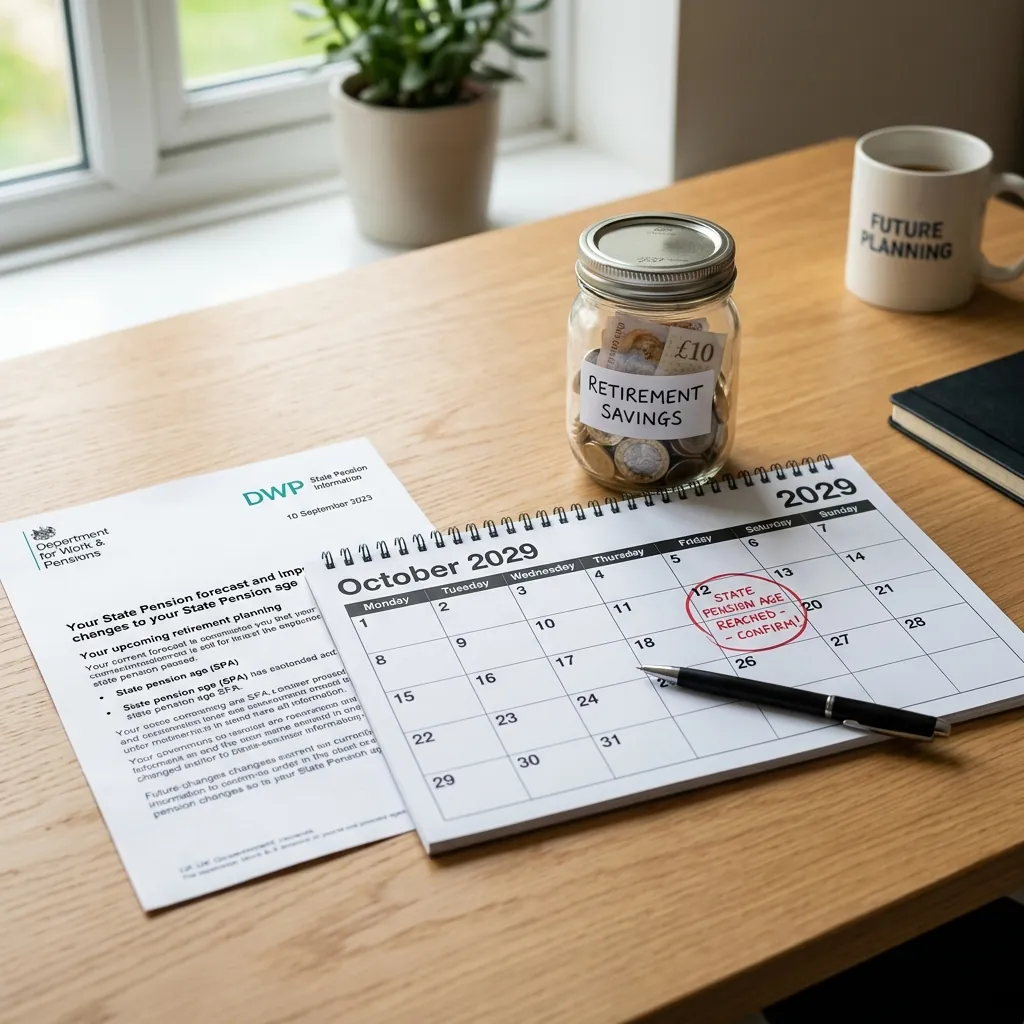
The State Pension triple lock has been a cornerstone of UK retirement policy for the past 15 years, ensuring that pensions rise by the highest of inflation, average earnings, or 2.5%. This guarantee has been undeniably effective — pensioners today receive approximately £1,500 more annually than they would have if increases had merely tracked average earnings since 2011.
In April 2026, the State Pension increased by a further 4.8%, bringing the maximum payout to £575 per month for over 12 million recipients. However, this popular policy is increasingly colliding with the harsh realities of the UK's fiscal environment. As the cost of the State Pension escalates, a critical question is emerging: how long can the government afford to maintain the triple lock without fundamentally altering the retirement landscape?
The Mounting Cost of the Triple Lock
The financial burden of the triple lock is substantial. According to the Institute for Fiscal Studies, the policy has added approximately £12 billion a year to the cost of the State Pension, bringing the total annual expenditure to £150 billion. This pressure is compounded by broader economic challenges — government debt increased by £401.6 million a day in the year to March 2026.
To fund these escalating costs, the government is forced to tighten its belt elsewhere or raise taxes. The State Pension itself is now edging closer to the personal income tax allowance threshold. If current trends continue, millions of retirees could soon find themselves paying income tax solely on their State Pension income — a scenario that undermines the very financial security the triple lock was designed to provide.
A Generational Divide in Public Opinion
Despite its cost, the triple lock remains fiercely popular, particularly among older demographics. Recent research by AJ Bell indicates that nearly 40% of the public believes the guarantee should be made permanent, while only 6% advocate for its abolition. However, this support is heavily skewed by age.
"More than two-thirds of baby boomers support a permanent triple lock, compared to just 14% of Generation Z and 22% of millennials." — AJ Bell Research
This generational divide highlights a growing tension. Younger workers, who are already facing a State Pension age that officially rose to 67 in April 2026, are increasingly questioning whether the system will be sustainable by the time they retire. With an independent review of the State Pension age framework currently underway, the debate over how the pension should increase — and when it should be paid — is far from settled.
Preparing for an Uncertain Future
While politicians remain hesitant to alter the triple lock due to its popularity among active voters, the fiscal trajectory suggests that changes to the broader retirement framework are inevitable. Relying entirely on the State Pension is becoming an increasingly precarious strategy for anyone planning their retirement. A measured approach should include:
- Building meaningful private pension contributions alongside any State Pension entitlement
- Understanding how any future triple lock reforms could affect your projected income
- Stress-testing your retirement plan against scenarios where State Pension growth is reduced
- Keeping track of your National Insurance record to secure maximum State Pension entitlement
- Seeking regulated, independent guidance rather than making reactive decisions based on political news cycles
The triple lock debate will continue. What matters for your financial wellbeing is ensuring your retirement plan does not depend entirely on its outcome.
Don't leave your retirement to political chance.
At Think Break Consultancy, we offer clear, hourly-rate guidance to help you build a retirement strategy that works — whatever happens to the triple lock.
Think clearly. Break through the jargon.
References
- Institute for Fiscal Studies. Analysis of the cost of the State Pension triple lock. ifs.org.uk
- AJ Bell. Public opinion research on the future of the triple lock. ajbell.co.uk
- HM Treasury / ONS. Government debt figures for the year to March 2026. ons.gov.uk