
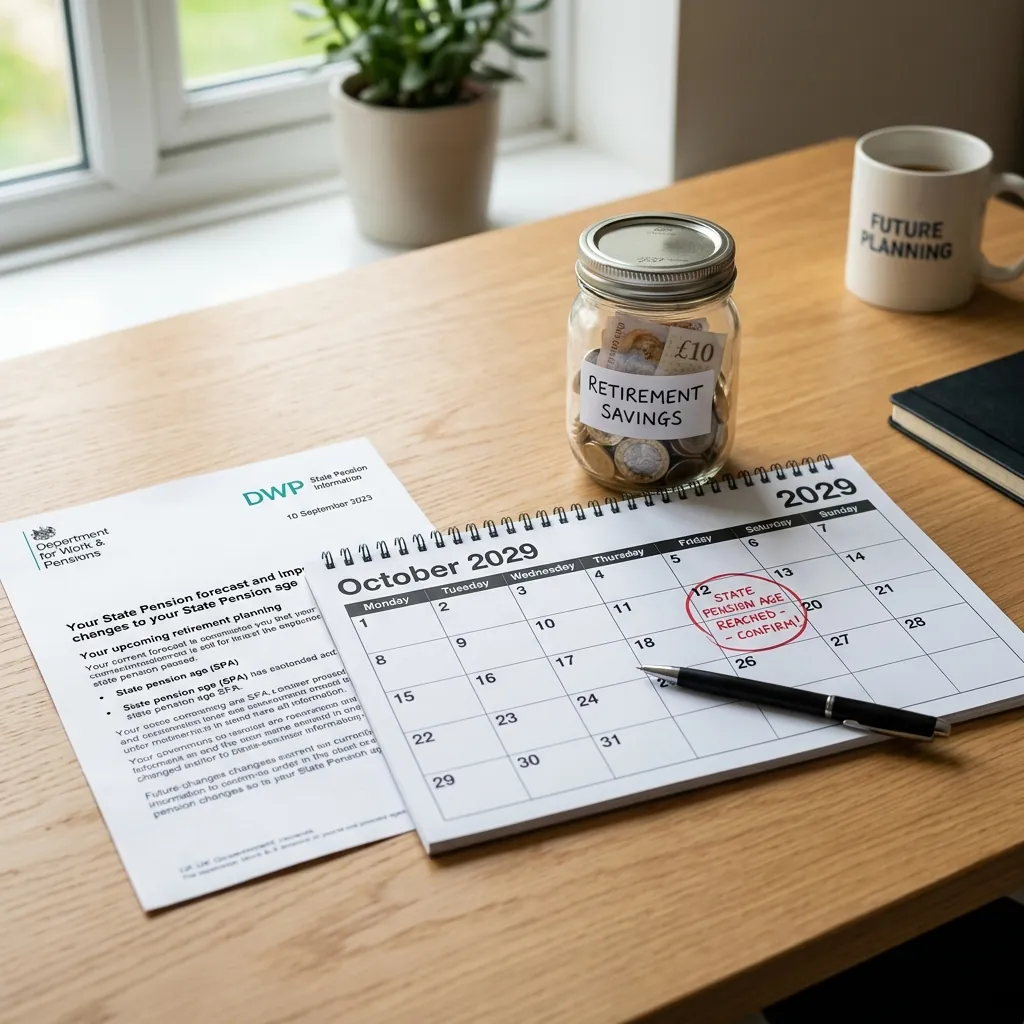
As of April 2026, the gradual increase of the UK State Pension age from 66 to 67 has officially begun. For millions of workers, this means waiting a little longer before they can access their government retirement income. But what does this mean for your retirement plans, and should you be worried about further increases?
The Facts About the Increase
The change affects anyone born between 6 April 1960 and 5 April 1977. If you fall into this bracket, your State Pension age will gradually rise to 67 between now and 2028. For those born after 6 April 1978, the age is currently set to rise to 68 between 2044 and 2046.
On a positive note, the full new State Pension has increased by 4.8% for the 2026/27 tax year thanks to the triple lock. It now stands at £241.30 per week, or £12,548 a year. However, this still falls short of the £13,400 minimum annual income that the Retirement Living Standards suggest a single person needs for basic expenses.
Challenging the Speculation
You may have seen headlines suggesting the State Pension age "may have to rise again." While the government regularly reviews the age to account for life expectancy and affordability, it is important to treat such claims as speculation rather than confirmed policy. The Pensions Commission is not due to report until March 2027, and the government has committed to providing at least 10 years' notice before any changes. Panic-driven decisions based on speculative headlines are rarely sound financial strategies.
The Reality of Financial Stress
The State Pension age rise means millions must wait longer for retirement, while Age UK reports that 3.4 million pensioners — more than one in four — are currently struggling financially. With council tax rising by an average of 4.9% this year, the pressure on household finances is undeniable.
"With the State Pension age rising and the cost of living remaining high, the gap between what the government provides and what you need to live comfortably is widening."
Planning for the Gap
This makes private pension provision and careful financial planning more critical than ever. Start by reviewing:
- Your projected State Pension amount (check via your Government Gateway account)
- The size of your private pension pot and whether contributions are on track
- Whether you have National Insurance gaps that could be filled
- Options to bridge any shortfall between your expected retirement date and your State Pension age
Need help navigating your retirement options?
At Think Break Consultancy, we provide clear, hourly-rate guidance without the pressure of product sales.
Think clearly. Break through the jargon.
References
- Standard Life. "Changes to the State Pension for 2026/27"
- This Is Money. "The state pension age may have to rise again"
- The Money Charity. "The Money Statistics — April 2026"