
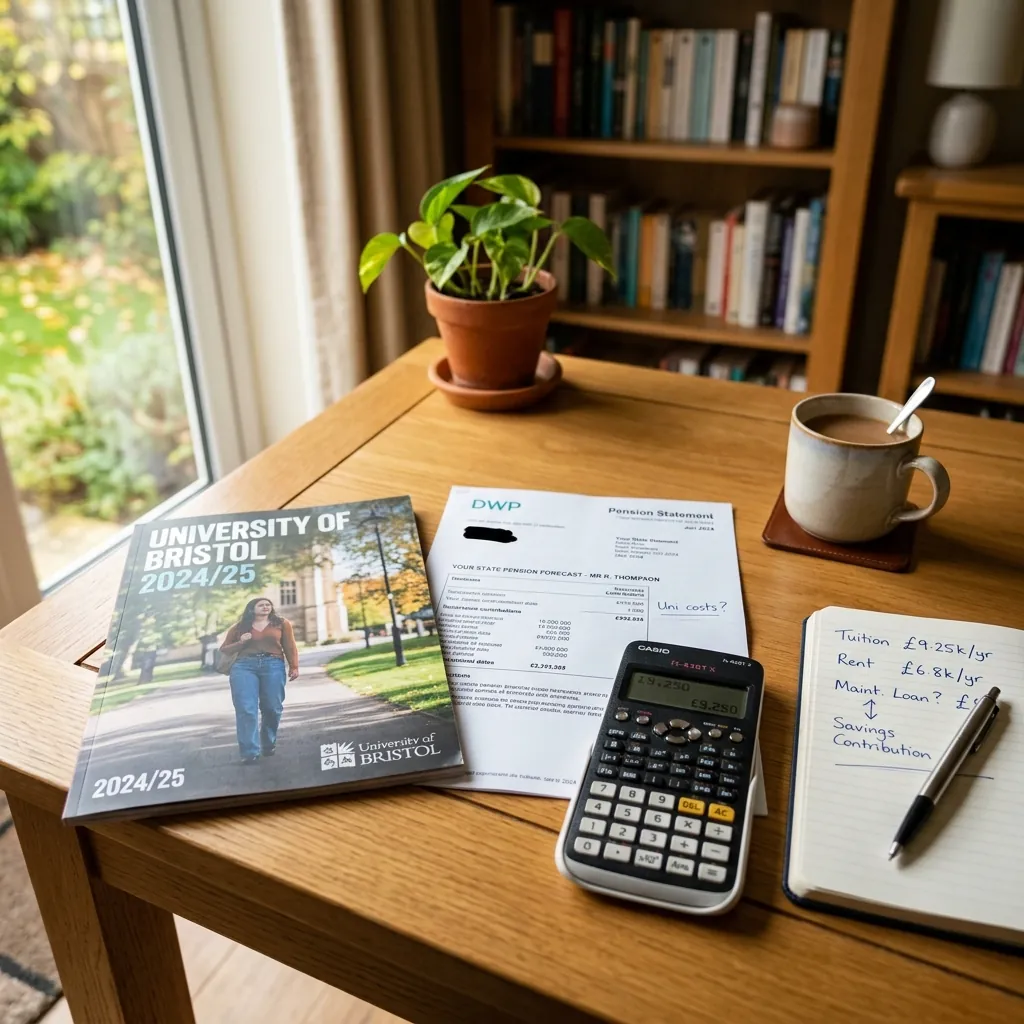
For many parents, supporting their children through university is a priority. But as the cost of living and tuition fees continue to rise, a new trend is emerging: parents are increasingly delaying their own retirement to fund their children's higher education. A recent report highlights that some parents are pushing back their retirement plans to provide up to £10,000 a year to support their children at university.
While the desire to help is entirely understandable, this "Bank of Mum and Dad" approach can have significant — and sometimes hidden — consequences for your own long-term financial security.
The Rising Cost of Higher Education
The financial burden of university has grown substantially. With maintenance loans often falling short of actual living costs — especially in expensive student cities — parents are frequently stepping in to bridge the gap. According to recent statistics, the average maintenance loan awarded to full-time students in England was £7,410, while the average debt for the latest cohort to enter repayment was a staggering £53,010.
Faced with these numbers, it's no surprise that parents want to help their children avoid starting their working lives burdened by massive debt. However, finding an extra £10,000 a year out of current income is a stretch for most households, leading many to dip into savings — or, increasingly, to keep working longer than they had planned.
The Impact on Your Retirement Timeline
Delaying retirement might seem like a straightforward solution — work a few more years, earn a few more years' salary, and help your child get a head start. But the reality is often more complex.
Every year you delay retirement is a year less you have to enjoy the fruits of your labour. More importantly, redirecting funds that would have gone into your pension towards university costs can significantly impact the compounding growth of your investments. If you are in your 50s, you are in the crucial accumulation phase of your retirement planning. The money you save now has less time to grow before you need it, making every contribution vital. Diverting those funds can leave a lasting dent in your retirement pot.
"Diverting pension contributions towards university costs in your 50s — your peak accumulation years — can leave a lasting dent in your retirement pot that's hard to recover from."
Balancing Support with Self-Care
So, how do you balance the desire to support your children with the need to secure your own financial future? The key is careful, realistic planning:
- Assess your own position first. Before committing to significant financial support, you need a clear picture of your own retirement readiness. Are you on track? What impact will a £10,000 annual commitment have on your projected income?
- Explore all options. Could your child take on part-time work? Are there scholarships or bursaries available? Sometimes a smaller financial contribution combined with practical budgeting advice can be just as valuable.
- Communicate openly. Have an honest conversation about what you can realistically afford. Setting expectations early can prevent misunderstandings and reduce pressure on both sides.
Let's look at the numbers together.
Navigating the competing demands of funding education and planning retirement is one of the most challenging aspects of personal finance. At Think Break Consultancy, we provide independent, hourly-rate guidance — no product sales, no jargon, just clarity.
Think clearly. Break through the jargon.
References
- Yahoo Finance UK. "Delaying retirement to give son £10,000 a year for university"
- The Money Charity. "The Money Statistics March 2026"